WEEK 6: So Many Familiar Faces

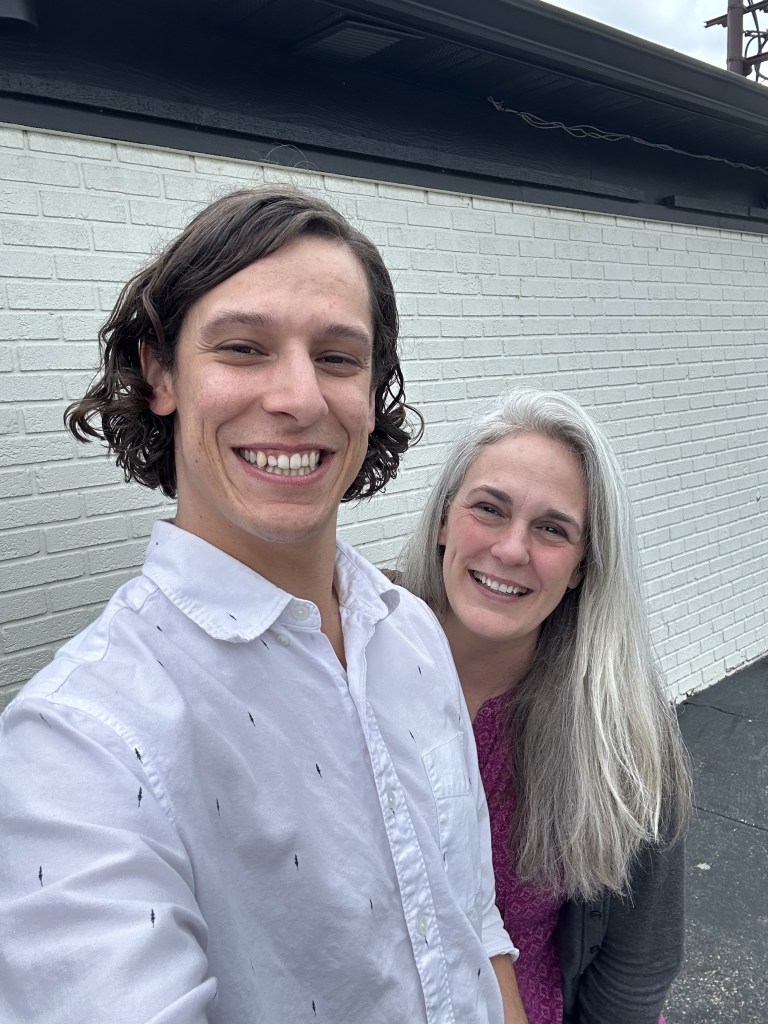
Who: Maggie, Bruce, Shannon, and Sydney

Church: Mission Chattanooga (Anglican)

Lunch: Taziki’s Mediterranean Cafe

Topics: Friendship, Community, Belonging

If I had to choose one church in Chattanooga where most of my friends attend, besides my home church, it would be Mission Chattanooga. I probably know around 50-60 people who are part of the community, and that’s without counting their kids. Although there aren’t many people in my own age group (40-50), it’s truly heartening to see the congregation filled with so many young adults and families. There’s an energy and vibrancy there that makes Mission Chattanooga a really special place.

Before moving to Chatt, I had absolutely no experience with the Anglican Church. If you have no familiarity, it’s a Christian denomination known for its blend of tradition, liturgy, and scripture-based worship. In my LIMITED experience, Anglican churches often strike a balance between honoring historical practices and being relevant to modern life. You’ll find both ancient prayers and hymns alongside more contemporary music and teachings. I’ve heard some people refer to it as a “middle road” between Catholicism and Protestantism. (I don’t know that I agree with this sentiment, but I understand it… and I think it’s a relatable comparison for those who have attended services in both traditions.)

On this particular Sunday, I saw a lot of those young people I mentioned above. My phone buzzed several times during the service. A text from some asking if I was at their church… one asking why I was at their church! (The common question: Is our family thinking about becoming members? And the answer is no.) We’re not really a “high liturgy” family. Some people love it, and I truly understand why. Our family just isn’t in that camp. And…I know this is a hot take… but, we don’t do membership.

The teaching this week was based in John 15, anchored in a sermon series about abiding, but underscoring the importance of connection and community. Full disclosure: I had a hard time tracking with it, and to be fair to the speaker, I think it’s because it was a message typically given to younger adults, specifically college students who are looking to create community. The advice was to put yourself out there, do as many things as possible, in hope of finding your place and your people, which can be great advice for college students yearning for a sense of belonging in a new community. But as someone past that stage of life, it felt a little disconnected from the reality of so many people I know.

I’ve learned that community often grows in more organic, sometimes slower, ways—through deep, intentional relationships that don’t always come from attending a large number of events or joining a lot of group. It’s less about quantity and more about quality, about being present in the spaces where you already are, investing in those around you, and allowing those connections to develop over time. I found myself reflecting on how, for me, abiding means trusting that authentic community will come through these deeper, more sustained engagements rather than constantly seeking it out in every new place.

And this is where my weekly conversation found its grounding.

The phrase “church hurt” carries a weight of shared experience for many people. It’s not just a term; it’s a marker of a deep, often unspoken, wound that many people carry from their time within a church or religious community. And I think it’s one of the reasons why so many of us are hesitant to jump back into the waters of community. I also think it’s important to acknowledge that “church hurt” has become a catch all phrase for a long list of behaviors and experiences, including, but not limited to abuse of power, gossip and conflict, legalism and indoctrination, and judgmental rejection. Not all abuse is equal, but it is critical to recognize that all forms of harm—no matter how subtle or severe—leave lasting wounds.

Each experience under the umbrella of “church hurt” affects people differently, depending on their personal history, faith, and resilience. While some may suffer deeply from spiritual abuse or emotional manipulation by leaders, others may feel hurt by the judgment and exclusion they experience within the congregation. The key is to understand that, regardless of the intensity, each experience is valid.

One of the things I really appreciated about the people gathered around our lunch table was their willingness to hold space for talking about our “church hurt” without fear that we are “hurting” the church. In many church cultures, unity is highly valued, and anything that disrupts the appearance of harmony can be labeled as divisive. As a result, when someone brings up problems or critiques the church, they may be accused of “gossiping” or “stirring the pot,” even if their concerns are legitimate. And it’s important to note that creating a safe space to air grievances and process our experiences can quickly escalate to a gossip sessions if the focus shifts from seeking understanding, healing, and resolution to simply venting frustrations or criticizing others without constructive intent. While it’s crucial to provide a place where people feel heard and validated, there’s a fine line between healthy processing and harmful gossip.

And sometimes it can be hard to tell the difference.

But, one of the things I’ve learned over the past decade is the importance in asking the right questions. Instead of fueling negative energy, asking thoughtful, open-ended questions helps guide the dialogue toward deeper understanding and growth. One of the most powerful questions I’ve ever been asked was: What would healing look like here?

This simple question has the power to transform a conversation, keeping it solution-focused and rooted in empathy rather than criticism. Asking questions like this is crucial, because without them, we risk repeating the same mistakes or falling into cycles of negativity that hinder growth. By encouraging reflection and seeking clarity, we open the door to meaningful change and a deeper understanding of ourselves and others.

We also give ourselves space to heal as a community… as a church. And we desperately need this.

CHALLENGE: Whether you’ve experienced “church hurt” or some other relational hurt, as yourself the question: What would healing look like here?
WEEK 5: Reflection on Shame

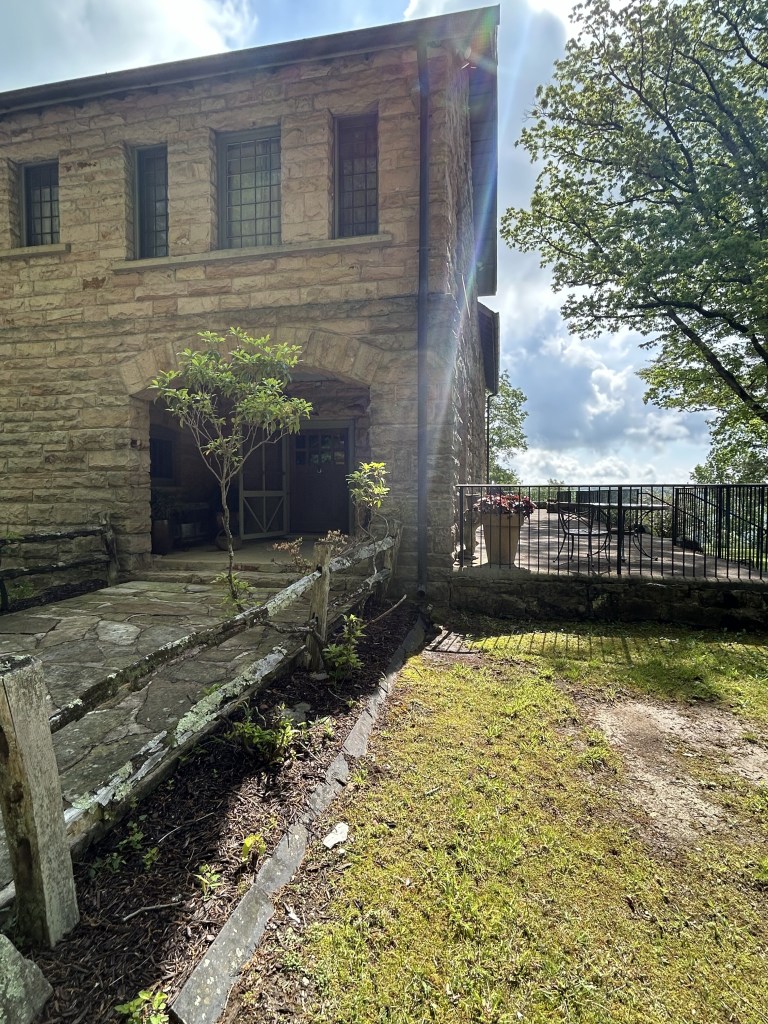
This week is an “off” week for me. I was actually at a retreat center in Sewanee for the final weekend cohort with a group of women who work in the non-profit community in Chattanooga. I ended up going Saturday morning because Sydney’s birthday was Friday and, well obviously, family comes first. But, honestly, I didn’t want to go at all.

September is always a challenging month for us. With National Suicide Prevention Awareness Month in full swing, and Sydney and Brayden being in Huntsville, things have been a bit more hectic than usual. I really needed the break, but moments like these tend to feel more stressful than restful.

However, something shifted for me last Sunday, and I can still feel the ripple effects of that shift. Hopefully, those ripples continue—and spark even more meaningful changes.

One of the women opened up to the group, sharing a personal struggle and reflecting on the powerful grip shame can have. It was a sobering reminder of how deeply shame can take root, especially in spaces meant for healing. The church, unfortunately, has a long history of being one of the worst offenders in this regard. Rather than offering grace and understanding, it often amplifies feelings of guilt, leaving people feeling judged and unworthy.

This tendency to weaponize shame is especially heartbreaking, considering that the very essence of faith is meant to be about love, acceptance, and redemption. Yet, too often, the church becomes a place where people are made to feel like they must hide their imperfections, reinforcing a cycle of shame that can be incredibly hard to break.

What makes this issue even more frustrating is the silence it imposes. There’s a rule in many church circles that you can’t speak out against the institution itself. Leaders are typically quick to underscore the need for loyalty unity, framing any critique as an attack on the church as a whole. Some are told that raising concerns is divisive—or worse, as going against God.

This creates a toxic environment where people are unable to voice their pain or call out harmful practices. Instead of fostering open conversations and accountability, it discourages honest dialogue. It’s as if protecting the institution becomes more important than protecting the very people it’s meant to serve. And so, the cycle of shame deepens, with those who are already struggling being made to feel like they must carry their burden in silence.

Shame is also used as a tool of control within many church communities, and it’s especially damaging to women. When shame is wielded as a weapon to keep people in line, or maintain power structures, fear of judgment often outweighs personal growth, healing, and authentic connection with others and with faith. The power of shame is that it doesn’t just control behavior; it controls identity. When women are constantly told that they are “less than” for the choices they’ve made or the lives they lead, it doesn’t just impact their actions—it warps how they see themselves. They begin to internalize the belief that they are inherently flawed, that they are undeserving of love, respect, or leadership roles in the church. This is why shame is such an effective tool of control—because it convinces people that they are powerless, even when they aren’t.

The church often frames this shame as “accountability” or “discipline,” when in reality, it’s about maintaining a power structure that benefits those at the top. (Look at any church sex scandal since the beginning of time over the past few years and note how many times the man in questions blames the women and children they’ve abused.) By keeping women ashamed and silent, leaders can avoid being challenged, questioned, or held accountable for the culture they’ve helped create. Shame keeps people compliant, fearful of stepping out of line, and it ensures that the system stays intact.

And, in part, I think this is one of the reasons why our family has found it increasingly more difficult to engage with the institutional church. But, there was definitely a shift in my mindset this past weekend. The institutional church isn’t the REAL CHURCH and I have neither the desire, nor time, to play devil’s advocate. Not now.

CHALLENGE: Have you fallen into the trap of “comparing sin”? Do you think differently about people who have engaged in a “greater sin” than yours? Ask for your eyes, and heart, to be opened to any damaging systems of beliefs.

WEEK 4: Taking Communion

Who: Stefan

Church: Restoration Southside (Presbyterian)

Lunch: La Delicia

Topics: Community, Belonging, and Communion

One month into this little project and there is one thing I’m pretty certain of: I’ll run into someone I know at every church I visit this year. Sure, Chattanooga holds the title of the most churched community per capita in the country, so the odds are in my favor—but it goes deeper than that.

These aren’t just people we know. They’re our partners in the community… artists, business owners, non-profit employees. And, this is WHY, in part, I wanted to start this little project of mine. Our family often talks about how “uncommon” it feels to be surrounded by people who resist casual Christianity. Some of these people have stepped away from the institutional church altogether, while others remain deeply rooted in their local congregations.

And I think both types of people bear a common thread.

Sydney and I were in Burlaep a few weeks ago and ran into Stefan, a local realtor who used to work at Chattanooga Sports Ministries. Knowing that he attended a church regularly, I asked if I could tag along one week and then grab lunch after to talk about all the things. I never quite know how people will react to this because “southern hospitality” is typically offered, not requested. But he was game, and I’m really glad he was.

Restoration Southside is a church with whom I have a little familiarity. It’s a go-to spot for larger ecumenical church/community functions, but I wasn’t sure what to expect… except that I would see some familiar faces. And I saw several. There were also a few things that immediately stood out: Worship was bilingual… and they incorporated a banjo. (I don’t want to be biased, but the banjo will forever have my heart.) They also led a corporate prayer for those struggling with infertility, or pregnancy loss, and underscored their commitment to this community. This is an area I’ve seen many churches unintentionally overlook, especially when so much emphasis is placed on families. Their level of intentionality was inspiring.

One of the things I also found interesting was their communion series for younger students. A class traditionally seen in Catholic catechism, this type of lengthy instruction isn’t typically embraced in Protestant denominations. Whenever I see a serious dedication to the spiritual growth of younger generations, and not a mere commitment to gimmicks that make church cool and hip slay and lit, I’m encouraged.

The sermon was solid, but what impacted me the most was the community, which is what Stefan and I talked about the most over lunch. (I also want to take a moment to say that La Delicia is the absolute best AUTHENTIC Mexican food I’ve had since living in Mexico. If you’re local to Chatt and love Mexican food, I can’t suggest this place enough.)

Over lunch, I asked Stefan why his family chose Restoration Southside, and his answer was simple: community. If you’ve ever worked in ministry, you know this can be a sensitive topic. In Western cultures especially, many people choose a church based on personal preferences—worship style, building aesthetics, charismatic pastors, service length, or youth programs. In all honesty, I haven’t had many people tell me they’ve chosen their church home because of the community itself. Stefan also mentioned the strong emphasis on serving at Restoration, which stood out to me. After spending over a decade in children’s ministry, I know firsthand how challenging it can be to find willing volunteers. And as a parent, I’ve been on the other side too, longing for a season where I’m not guilted or pressured into “serving” when all I really needed was 30 minutes to sit still and absorb an encouraging word.

But at Restoration, they highlight the deeper human connection that comes from serving—particularly the friendships that form among those who serve together. Stefan shared how this has shaped his own experience. He also spoke about the inter-generational aspect of the church, which closely mirrors the early Christian communities where people of all ages lived, worshiped, and served side by side, fostering relationships that transcend age and stage of life.

But, probably the most impactful thing about that Sunday was taking communion. Besides the Christmas Eve service last year, I haven’t taken communion in almost a year and a half. (That’s a blog post for another time.) But the short of it is simple: I haven’t felt compelled to take communion, ESPECIALLY at a church where I wasn’t a part of their community. On a personal level, communion calls for self-examination, reconciliation, and the pursuit of holiness. But, corporately, at the Communion table, it holds that all believers are equal. There’s no hierarchy—whether rich or poor, old or young, everyone comes with the same need for grace. This fosters a spirit of humility, inclusion, and shared dependency on God. Communion provides an opportunity for the church to reflect on its own spiritual health. And over the past couple of years, I’ve been wrestling through this. I’m still wrestling through this.

And, for the record, our family hasn’t regularly attended a church for about a year and a half. But, even before we stopped, communion has felt more about a personal reflection and call for repentance… not a corporate one. But on this day, it just felt different.

CHALLENGE: Reflect on what SERVING has meant to you in the past and what feelings come to the service. Have you experienced serving as an opportunity to build community? If not, how might you approach it differently to foster deeper connections?

The Work We’re Meant To Do

Last week I received a text from a friend in Rhode Island. (For context, our family was part of a church planting team sent to East Providence, Rhode Island, a little over 10 years ago.) One of the first families to join the church became good friends of ours. And, to this day, their personal transformation through the power of the Holy Spirit is one of the reasons why I haven’t completely given up on my faith.

That might come across as melodramatic, but it isn’t.

The text I received was a simple request for our family to fast and pray for them as they enter into a big decision about church planting. And just like that… the Holy Spirit gently pulls.

The words I place here aren’t meant to convince anyone of anything. They’re merely a way for me to chronicle my faith journey… for my kids. Because the truth is very simple… almost everything I’ve been taught about “the church” has been wrong. And as I’ve slowly been dissecting those teaching, I’ve had to take a very hard look at WHAT I believe and WHY I believe it.

Some people would eagerly pounce on what is written in the previous paragraph and accuse me of deconstruction, a process of systematically dissecting and often rejecting the beliefs you grew up with… and they’d be right. But, here’s the thing: The word “deconstruction” has such a negative connotation because, in our neo-political “evangelical”church narrative their is a lack of nuance… and critical thinking. And in a lot of cases… a lack of Jesus and the presence of the Holy Spirit.

But, over the past few years, I’ve also seen the Church… often from within circles of those who have left the institution of “Christian” religion.

Here’s the truth: We haven’t given a regular tithe to a church in YEARS. And there are a lot of reasons for that. But, the biggest one is because we believe it’s important to support the work… not a building. So, we put our money into organizations doing the work Christ calls us to.

And, honestly, even though our organization isn’t a “faith-based” organization… it most certainly IS faith inspired. And that’s the point. The beauty of the church… the body of the church… it that we all have a part to play. Some parts are outward facing, boldly proclaiming… and some are quietly tending to the absolute carnage the neo-political movement is leaving in their wake.

We all have a part of play and, if we are a part of the REAL church, we all have work we’re meant to do.